

 18/12/2025
- 7 min read
Data Centre and Edge Strategy: Performance, Carbon, and Capacity Planning
As digital transformation accelerates across industries, data centers have become the backbone of modern economies. From AI workloads and cloud-native applications to global collaboration platforms, every digital service depends on resilient, high-performance infrastructure. However, the conversation has evolved. Today, performance alone is no longer enough. Organisations must balance scalability, security, and uptime with energy efficiency, carbon footprint reduction, and regulatory compliance. The future of data centers lies at the intersection of operational excellence and sustainability.
 by Digizal Editorial
Why sustainable data center strategies must bridge high-density performance engineering with rigorous carbon and capacity planning.
How enterprises meet expanding AI workload demands and ESG expectations through intelligent infrastructure architectures.
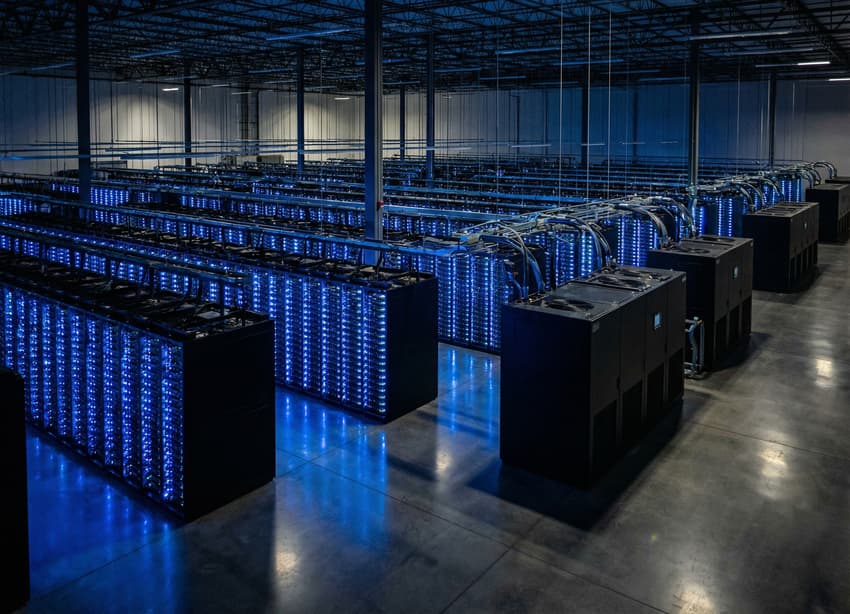

The New Imperative: Performance Without Compromise
Modern enterprises require infrastructure that can:
- Handle AI and high-density compute workloads
- Scale elastically across hybrid and multi-cloud environments
- Guarantee uptime and resilience
- Maintain strong cybersecurity and governance controls
High-performance data centers are no longer optional: they are mission-critical. Yet the cost of inefficiency is rising, both financially and environmentally.
Sustainability as a Strategic Priority
Energy consumption from data centers represents a growing share of global electricity demand. Forward-looking organisations are investing in:
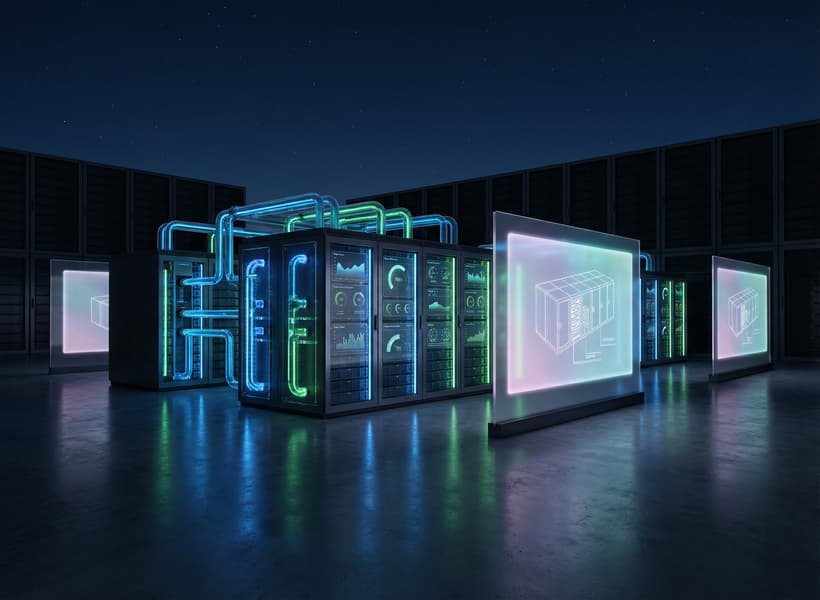
- Advanced cooling technologies (including direct liquid and immersion systems)
- Renewable energy sourcing and power purchase agreements
- Intelligent, demand-driven workload distribution
- Real-time energy monitoring systems tracking PUE continuously
- Heat recovery and circular hardware lifecycle management
Sustainability is not just about compliance: it is about long-term competitiveness. Enterprises that optimise infrastructure efficiency reduce operational costs while strengthening ESG positioning.
Engineering Smarter Infrastructure
The shift toward sustainable performance requires architectural innovation. Key approaches include:
- Virtualisation and workload consolidation
- AI-driven energy optimisation
- Edge computing for reduced latency and transmission load
- Modular data center design for scalable expansion
By combining automation, analytics, and governance frameworks, organisations can transform infrastructure from a cost center into a strategic advantage.
Why It Matters Now
Three forces are driving urgent transformation:
- AI and high-performance computing demands
- Rising energy costs and carbon accountability
- Increasing regulatory and investor scrutiny
The organisations that succeed will be those that integrate performance engineering with sustainability strategy, not as separate initiatives.
Conclusion
At Digizal, we support organisations in designing and optimising resilient, secure, and energy-aware digital infrastructure.
From architecture strategy to implementation and governance, we help enterprises align performance, innovation, and sustainability, building infrastructure ready for the next decade of growth.